
Sump Pump Maintenance Before the Spring Thaw
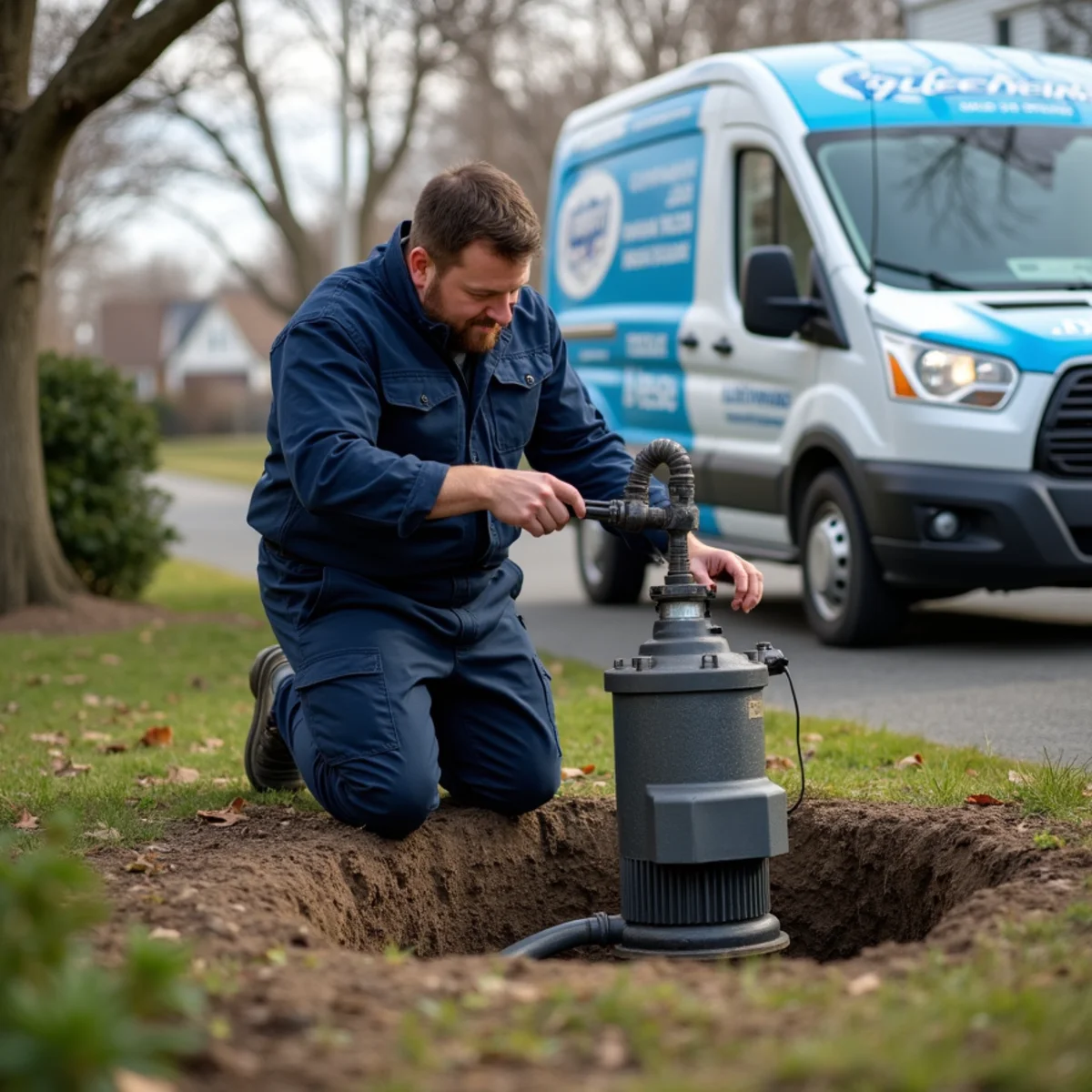
Before the spring thaw, test your sump pump by pouring water into the pit until the float rises — it should switch on, clear the water, and shut off cleanly. Check the discharge line, the check valve, and, critically, the battery backup, since a dead backup fails during the exact outage it’s meant to cover.
Key takeaways
- Test the pump by pouring water into the pit before spring.
- Check the discharge line and the check valve.
- Test the battery backup and replace it every few years.
- Most pumps last 7–10 years — replace proactively.
- A backup with a dead battery fails during the storm outage.
Why spring is the test
The combination of melting snow, spring rain, and a rising water table makes late winter and spring the hardest season for a sump pump on Long Island. A pump that sat idle all winter can fail exactly when the water arrives. A few minutes of maintenance before the thaw is cheap insurance against a flooded basement.
Test that it actually runs
Pour a bucket of water into the sump pit until the float rises. The pump should switch on, pump the water out, and shut off cleanly. If it does not start, cycles oddly, or runs but does not clear the water, it needs attention before you rely on it. This simple test is the single most useful thing you can do.
Check the discharge and the pit
Make sure the discharge line is clear and carries water well away from the foundation — a discharge that dumps right next to the house just recirculates the water back into the pit. Check that the pit is free of debris that could jam the float or clog the intake, and confirm the check valve is holding so pumped water does not flow back down.
Confirm the backup works
If you have a battery backup — and on Long Island you should — test it too. Batteries degrade and typically need replacing every few years. A backup with a dead battery gives you a false sense of security and fails during the exact power outage it was meant to cover. Test it now, not during the storm.
Know the age of your pump
Most sump pumps last about seven to ten years. If yours is in that range, runs constantly, or has started making new noises, consider replacing it proactively before it fails under load. A planned replacement on a dry day is far better than an emergency one with water rising. If you are unsure of your pump’s condition, we can test it and tell you honestly where it stands.
The five-minute test that prevents a flood
A pump that sat idle all winter can fail exactly when spring water arrives. The test takes minutes and tells you almost everything.
Your pre-thaw routine:
- Pour water into the pit until the float rises and confirm it runs
- Check that it pumps out and shuts off cleanly, without cycling
- Clear debris from the pit that could jam the float or intake
- Confirm the discharge is clear and directed away from the foundation
- Test the battery backup and replace it if it’s a few years old
Knowing when to replace, not just test
Testing tells you the pump runs today; age tells you how long you can count on it. Most sump pumps last about seven to ten years, and one that’s in that range, runs constantly, or has started making new noises is living on borrowed time.
A planned replacement on a dry day is far better — and usually cheaper — than an emergency one with water rising in the pit. If you’re not sure of your pump’s age or condition, that’s worth an honest assessment before the season that will test it.
Don’t overlook the discharge and the backup, either. A discharge line that dumps right next to the foundation just recirculates water back to the pit, and a battery backup with a dead cell gives a false sense of security. On Long Island’s high water table, the whole system — pump, check valve, discharge, and backup — has to work together, not just the pump.
Signs your pump is near the end
Testing confirms it works today; these signs tell you it’s time to plan a replacement before it fails under load during a storm.
Replace proactively if you notice:
- The pump is seven to ten years old or older
- It runs constantly or cycles on and off rapidly
- New grinding, rattling, or excessive vibration
- Visible rust or corrosion on the unit
- It’s slow to clear the pit or leaves standing water
The bottom line
Test the pump and the backup before spring, not during the storm. If yours is seven to ten years old, runs constantly, or makes new noises, replace it proactively on a dry day. Not sure where it stands? We’ll test it and tell you honestly.
When to replace, not just test
Testing tells you the pump runs today; age tells you how long you can count on it. Most last 7–10 years, and a sump pump replacement or backup upgrade on a dry day beats an emergency one with water rising in the pit.
Don't overlook the discharge and the backup battery, which degrades quietly. We service and replace sump systems across low-lying towns like West Babylon and Copiague, where pumps work hardest.
Frequently Asked Questions
How We Can Help
Related services: sump pump installation & repair, emergency water cleanup across Long Island.
We serve West Babylon and Copiague and the surrounding communities.
(831) 290-4327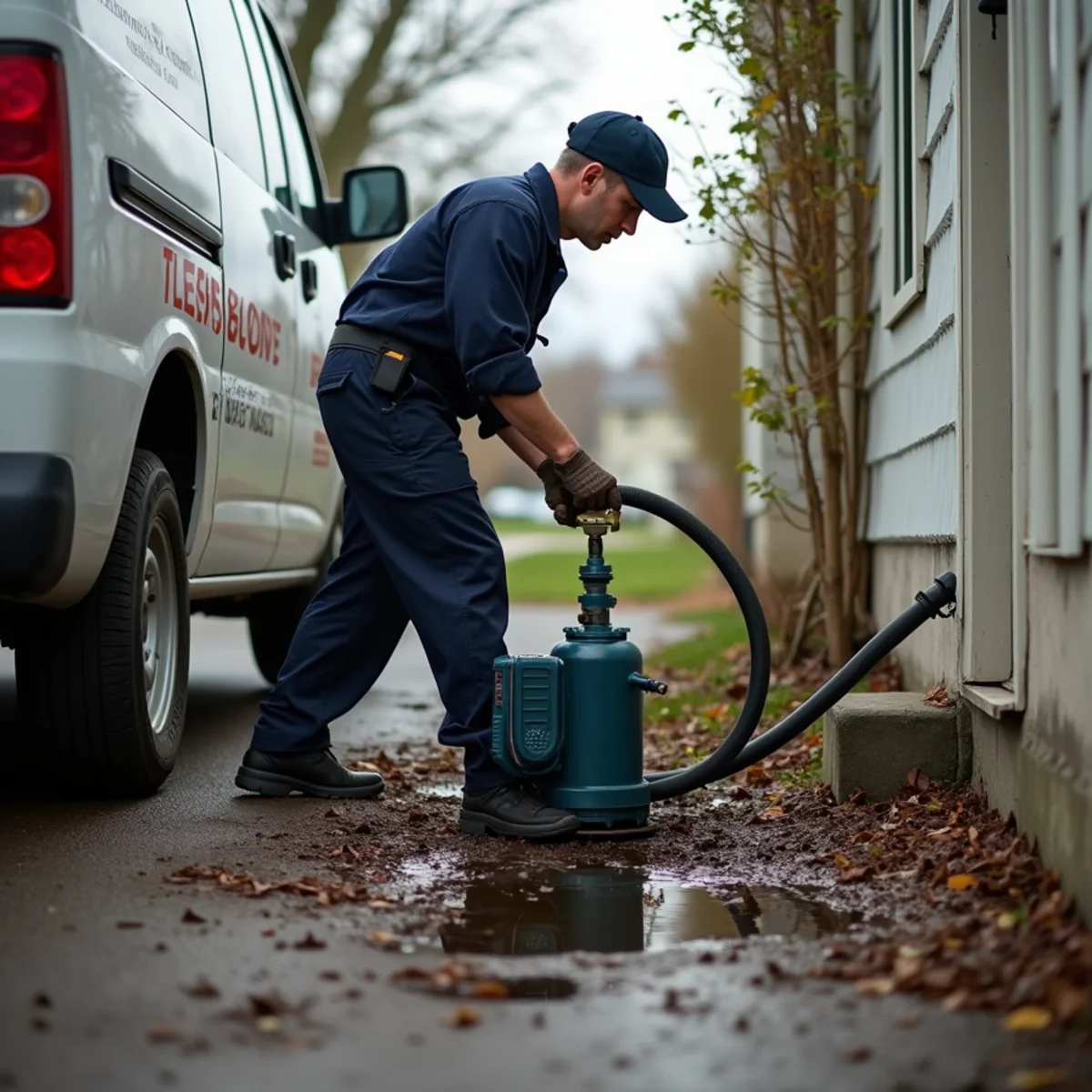
Need a plumber now? We’re ready to help.
Emergency or planned, call for fast local service across Long Island — or request a free written quote.