
Basement Flooding: First Steps Before the Plumber Arrives
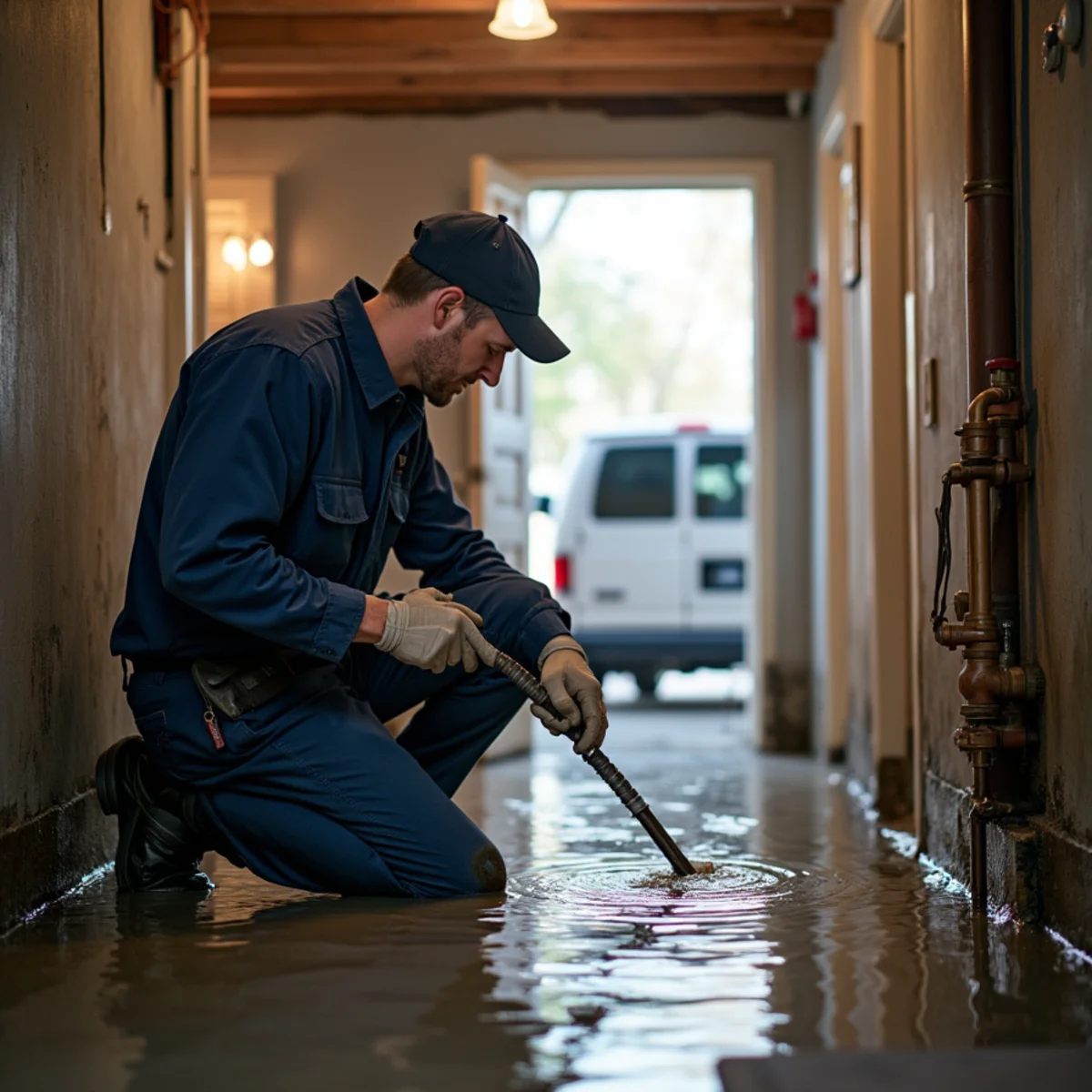
With a flooded basement, safety comes first: stay out of water near outlets or a panel, and treat any possible sewage as a health hazard. Shut off the source if you safely can, then get water out and drying started fast — the CDC recommends drying wet materials within 24–48 hours to limit mold.
Key takeaways
- Safety first: stay out of water near outlets, the furnace, or the panel.
- Treat any possible sewage as a health hazard and keep people away.
- Stop the source if you safely can, then start drying within the CDC's 24–48 hour window.
- Document everything before moving or discarding items.
- Repeat flooding usually means a sump pump with a battery backup is the real fix.
Safety comes before cleanup
Standing water in a basement is a hazard first and a mess second. If the water is near outlets, a furnace, a water heater, or the electrical panel, treat it as energized and stay out. If you can safely shut off power to the basement from a dry spot, do so. If you cannot, wait for help rather than wading in.
If the water is or might be sewage — a backup rather than a clean-water leak — keep everyone, especially children and pets, away from it entirely. Contaminated water is a health risk that requires protective handling.
Stop the source if you can
Figure out where the water is coming from. A failed water heater, a burst pipe, or a supply-line leak can be stopped at the fixture stop or the main shutoff. Storm water or a high water table pushing up through the floor is different — that points to a sump-pump problem, and if your pump has failed, note that when you call.
Beat the 24–48 hour mold clock
The CDC recommends drying flood-wet materials within 24 to 48 hours to limit mold growth. That window is why fast response matters so much. Once the source is stopped and the area is safe, getting water out and drying started quickly is what prevents a water problem from becoming a mold problem on top of it.
We stop the plumbing source and coordinate extraction and professional drying, keeping the plumbing repair and the restoration as separate, documented scopes — which is exactly what your insurer will want to see.
Document everything
Before you move or discard anything, photograph the standing water, the affected walls and floor, appliances, and any damaged belongings. Note when you discovered the flooding and whether the water was clean, gray, or sewage. Keep receipts for anything you spend on emergency response.
Why Long Island basements flood
Much of Long Island sits on a high water table, and the south shore — Babylon, West Babylon, Freeport, Massapequa — deals with flooding routinely. North-shore and central areas like Greenlawn see it too. The storms that drive the most water are also the ones that knock out power, which is why a sump pump without a battery backup so often fails at the worst moment. If your basement floods repeatedly, the long-term fix is usually a properly sized sump system with a backup, not just cleanup.
A plumber’s triage for a flooding basement
The order of operations is what limits the damage. We stabilize safety first, stop the water at its source, then move to extraction and drying — and we keep the plumbing repair separate from any restoration work for your records.
If you’re waiting on us, this is the priority list:
- Keep everyone out of water near the panel, furnace, or water heater
- Shut the main or the failed fixture’s stop if you can reach it safely
- Note whether the water is clean, gray, or sewage — it changes everything
- Photograph the water line and damaged items before moving anything
- Tell us if your sump pump failed, so we arrive ready to replace it
Clean water, gray water, or sewage — it changes everything
Not all basement water is equal, and the category drives what can be saved and how the cleanup has to be handled. Clean water from a supply line is one situation; gray water from an appliance is another; black water from a sewer backup is a genuine health hazard that requires protective handling and proper disposal.
That distinction matters for your insurance too. Photograph the water line and damaged belongings before you move anything, note when it started and what the water looked like, and keep the plumbing repair and the drying/restoration as separate, documented scopes — exactly what an adjuster wants to see.
If your basement floods more than once, cleanup alone is money down the drain. The durable fix addresses the cause: a properly sized sump pump with a battery backup for storm-driven outages, a check valve and discharge routed away from the foundation, and — where sewer backup is the culprit — a backflow preventer.
When it’s a call, not a DIY cleanup
A little clean water from a known source is one thing; anything more calls for help, both for safety and to stop the damage at its cause. If you’re unsure, err toward calling — water damage compounds quickly.
Reach out right away if any of these apply:
- The water is near outlets, the panel, the furnace, or the water heater
- There’s any chance the water is sewage or contaminated
- You can’t find or reach the source safely
- The volume is more than a wet-vac and towels can handle
- Your sump pump failed and water is still rising
The bottom line
Move fast, but move safely. Stop the source, get drying started inside the 24–48 hour window, and keep clean records for your insurer. If your basement keeps flooding, the real answer is usually a properly sized sump pump with a battery backup — call us and we’ll assess it.
Turning a flood into a fix that lasts
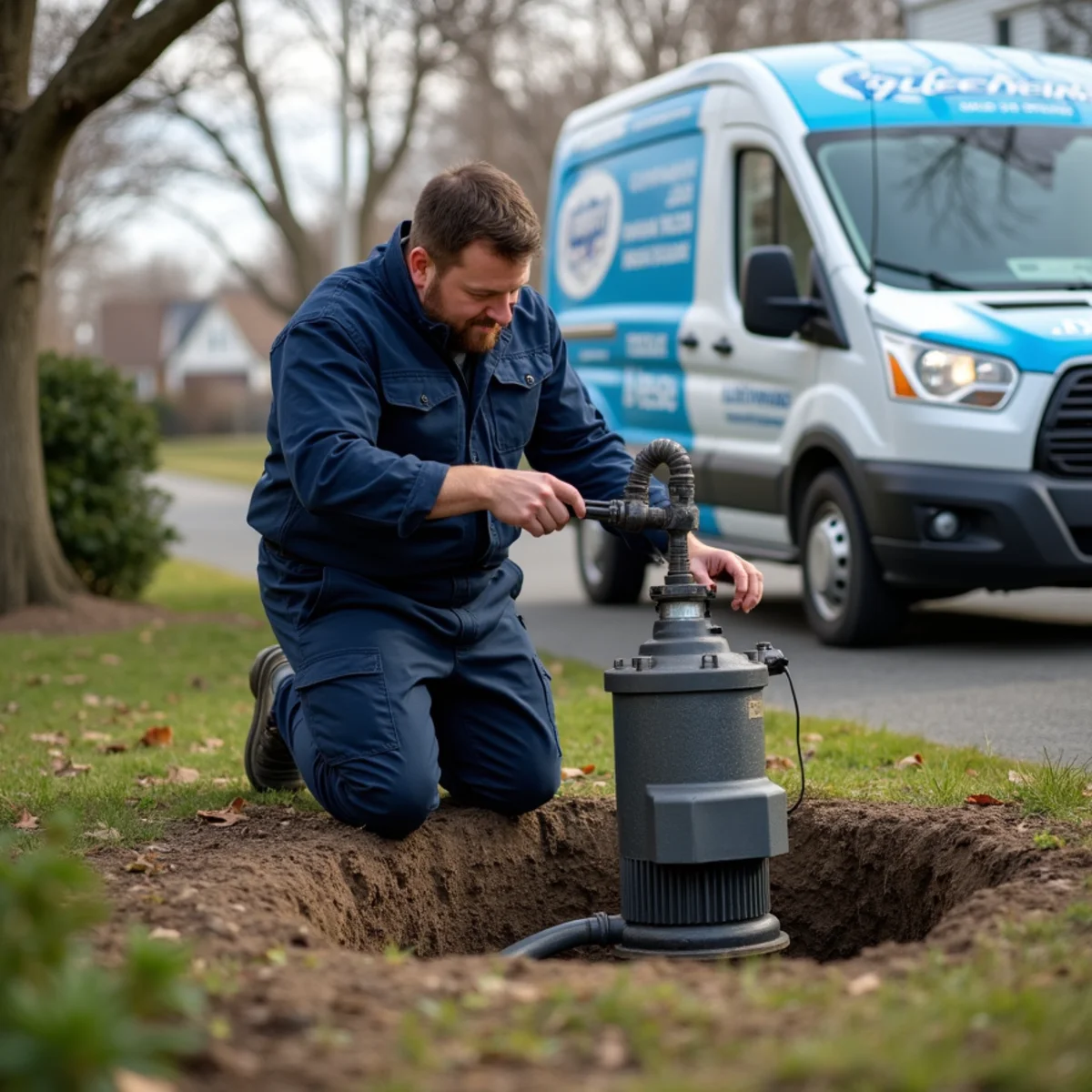
Cleanup gets you dry today; it doesn't stop the next storm. If your basement floods more than once, the durable answer is usually a properly sized sump pump with a battery backup, plus a discharge routed well away from the foundation and, where sewer backup is the cause, a backflow preventer.
When water is already standing, speed matters: we stop the source, extract the water, and coordinate emergency water cleanup so drying starts inside the mold window. Low-lying south-shore areas like Babylon and West Babylon see this most, and we size systems for exactly those conditions.
Frequently Asked Questions
How We Can Help
Related services: sump pump installation & repair, emergency water cleanup across Long Island.
We serve Babylon and West Babylon and the surrounding communities.
(831) 290-4327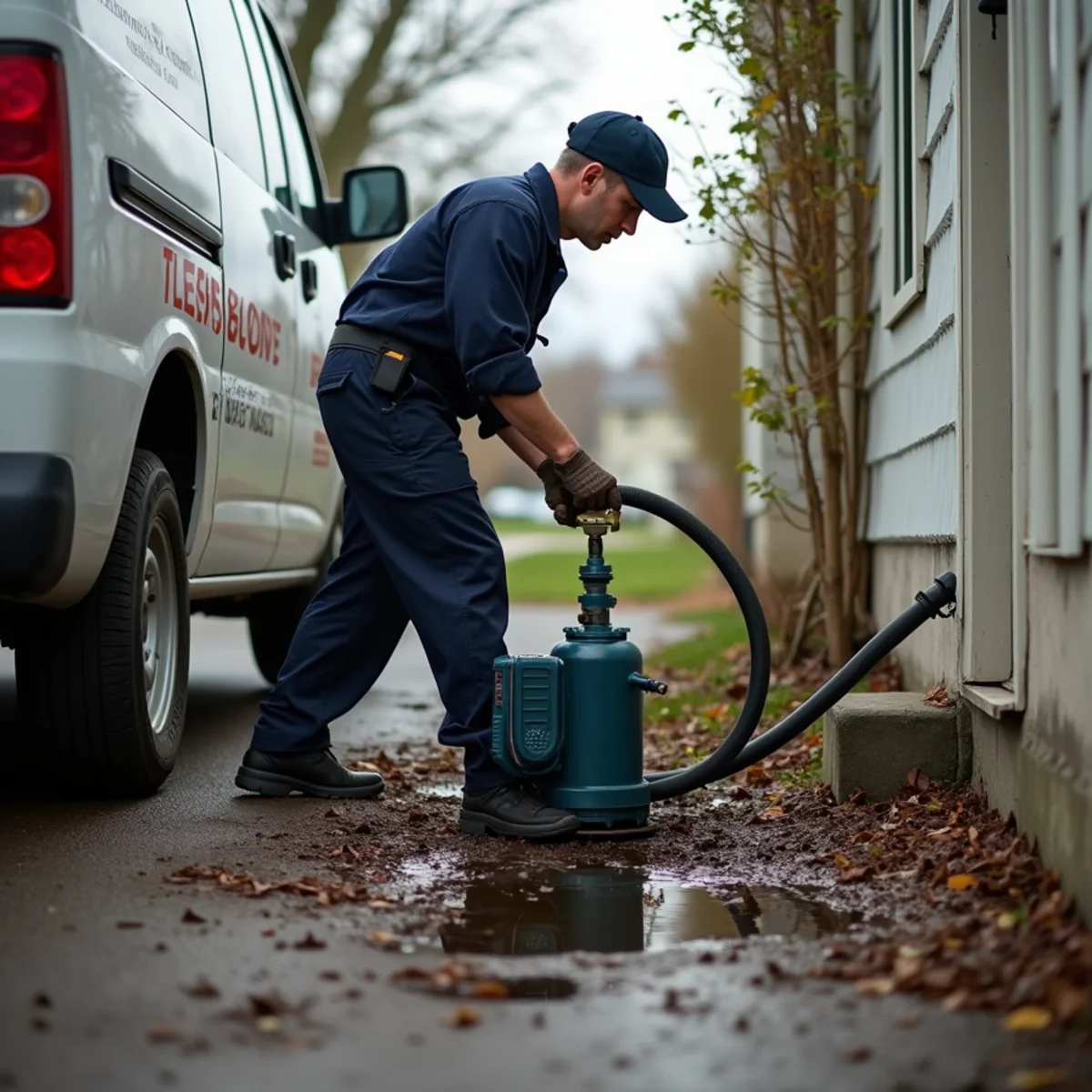
Need a plumber now? We’re ready to help.
Emergency or planned, call for fast local service across Long Island — or request a free written quote.