
Does Insurance Cover Sewer Backups on Long Island?
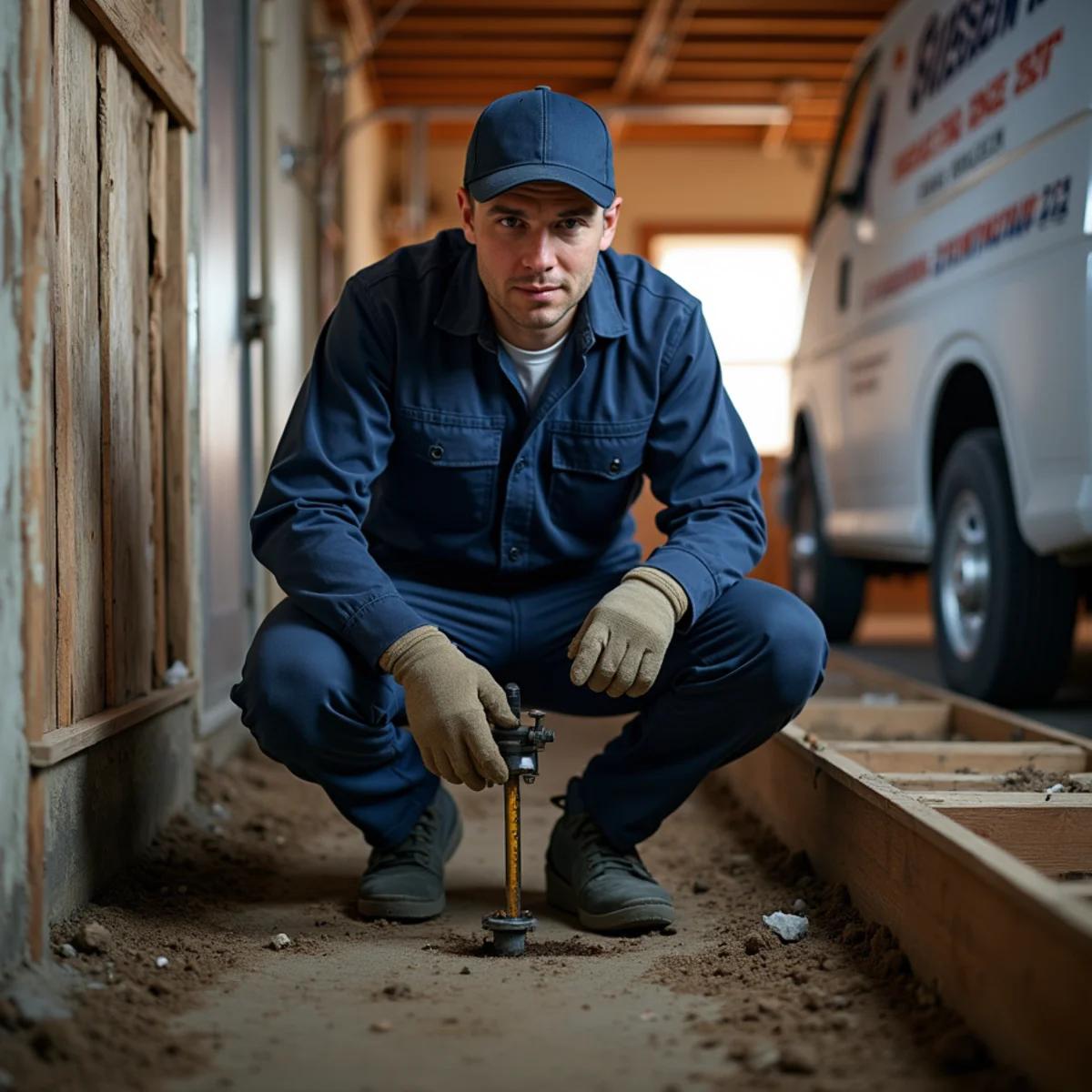
A standard homeowners policy often does not automatically cover sewer or drain backups — it’s usually a separate endorsement you add. Whether you’re covered comes down to your specific policy, so check before you need it, document everything, and let a plumber’s camera inspection establish the cause.
Key takeaways
- Standard policies often exclude sewer backup — it's usually a separate endorsement.
- Check your coverage before you need it.
- Document the backup and damage on video before cleanup.
- A camera inspection establishes the cause for your claim.
- Recurring backups have a structural cause another snaking won't fix.
The short answer: it depends on your policy
A standard homeowners policy often does not automatically cover sewer or drain backups. Many insurers offer it as a separate rider or endorsement that you have to add on. Whether you are covered — and for how much — comes down to your specific policy, the cause of loss, and the exclusions in your contract. We cannot interpret your policy for you, but we can tell you what to check and how to document the event so your claim is on solid footing.
Check your policy before you need it
The time to find out whether you have backup coverage is before a backup, not during one. Call your agent and ask specifically whether water/sewer backup is included or available as an endorsement, and what the limit is. For homes in older areas with aging cast-iron or possible Orangeburg sewer laterals — common across Huntington and much of Suffolk County — it is often worth adding.
Document the event thoroughly
Whatever your coverage, documentation protects you. Photograph and video the backup, the affected rooms, damaged belongings, and the water line before any cleanup. Note when it started and keep receipts for emergency cleanup and repairs. Treat sewage as a health hazard throughout — keep people and pets away and let professionals handle contaminated water.
How a plumber supports your claim
A plumber’s role is to clear the backup, diagnose the cause, and repair the source — and to document that work. A camera inspection showing roots, a collapsed section, or a corroded line is powerful evidence of what happened and why. We keep the plumbing diagnosis and repair as a separate, documented scope from any restoration work, which is exactly the separation an adjuster looks for.
Prevent the next one
If a backup recurs, the underlying cause is usually structural — roots at a joint, a corroded cast-iron line, or a failing lateral — not just a clog. A camera inspection identifies it, and a targeted repair or replacement stops the cycle. Prevention is almost always cheaper than repeated cleanups, and it strengthens your position with your insurer too.
How to protect your claim
Coverage is decided by your policy and the facts of the loss, and we can’t promise a result. What we can do is give your claim its strongest footing with clean documentation and a clear cause of loss.
When a backup happens, do this:
- Check now whether your policy includes a water/sewer backup endorsement
- Photograph and video the backup and damage before any cleanup
- Keep dated receipts for emergency cleanup and repairs
- Get a camera inspection that shows the cause on video
- Keep the plumbing repair and restoration as separate, documented scopes
What a camera inspection proves for your claim
When a sewer backs up, the cause matters as much as the damage — both for the fix and for your claim. A camera inspection sends a waterproof camera down the line and records, on video, exactly what’s happening inside: roots at a joint, a corroded cast-iron section, a collapsed or offset pipe, or a possible Orangeburg lateral breaking down.
That evidence does two things. It stops a temporary clearing from being sold as a permanent fix, and it documents a clear cause of loss that supports your claim and any responsibility question between the homeowner’s lateral and the district’s main.
Because older Huntington and Suffolk County homes so often have aging cast-iron or Orangeburg laterals, a recurring backup usually has a structural cause that another snaking won’t solve. Fixing it — a spot repair or a targeted replacement — is what stops the cycle and strengthens your position with the insurer.
What to do the moment a backup happens
Acting methodically in the first hour protects both your health and your claim. Treat sewage as a hazard throughout, and document before you clean.
Work through these steps:
- Keep people and pets away from the contaminated water
- Stop using any water that drains to the affected line
- Photograph and video the backup and damage before cleanup
- Call a plumber to clear the line and diagnose the cause
- Contact your insurer and keep plumbing and cleanup records separate
The bottom line
Check your policy for backup coverage before you ever need it, and if a backup happens, document everything and get the cause on camera. We handle the plumbing side — clearing, diagnosis, and the records your claim needs — and help you stop the next one.
Documenting the loss the right way
A backup claim lives or dies on documentation and a clear cause of loss. Photograph and video everything before cleanup, keep dated receipts, and get a sewer camera inspection that records the cause on video — roots, a collapsed section, or an aging cast-iron lateral.
We keep the plumbing repair and any water cleanup and restoration as separate, documented scopes, which is exactly what an adjuster wants to see. We handle sewer backups across the south shore in towns like Bay Shore and Islip.
Frequently Asked Questions
How We Can Help
Related services: sewer line repair & backup, emergency water cleanup across Long Island.
We serve Bay Shore and Islip and the surrounding communities.
(831) 290-4327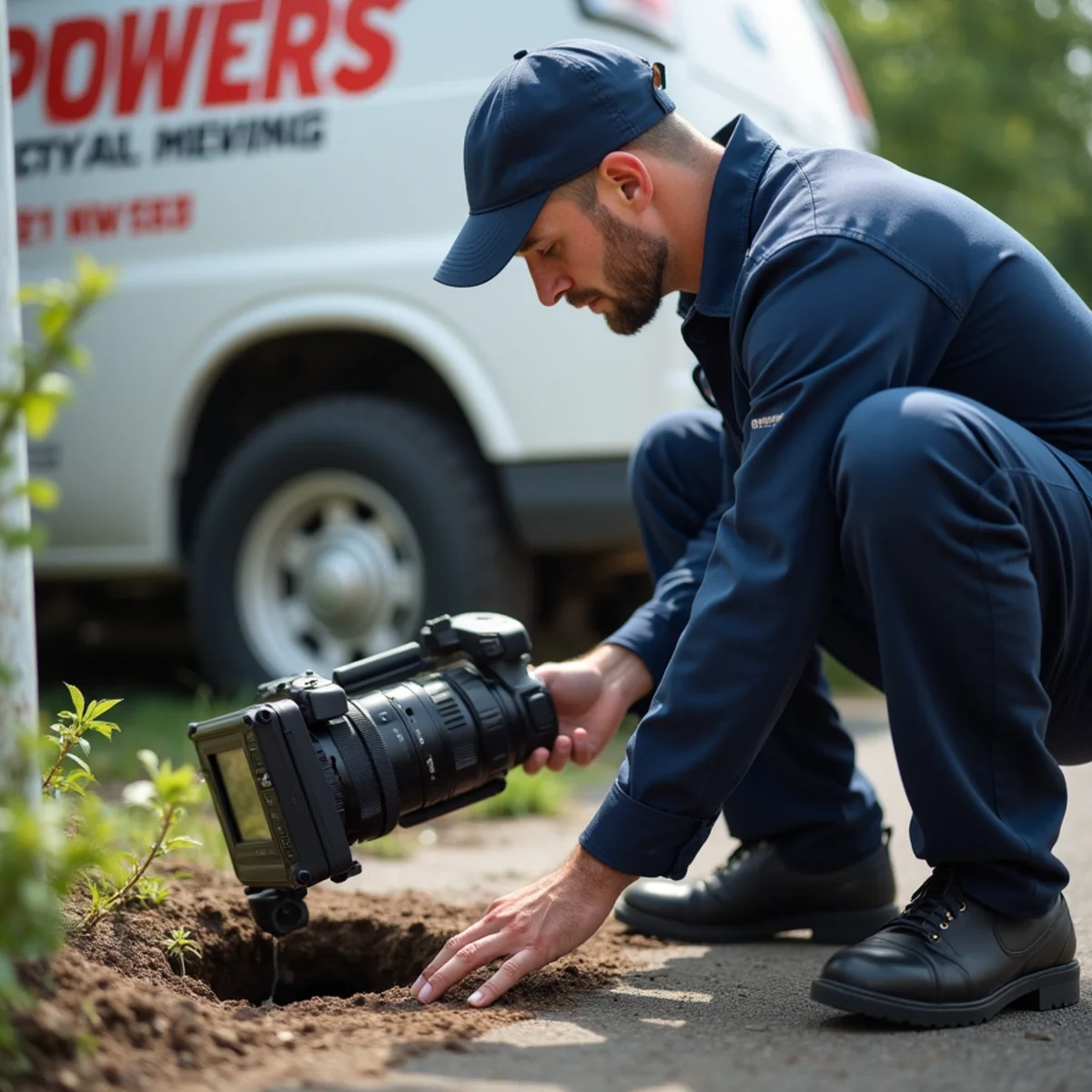
Need a plumber now? We’re ready to help.
Emergency or planned, call for fast local service across Long Island — or request a free written quote.