
Signs Your Cesspool Is Failing: A Suffolk County Guide
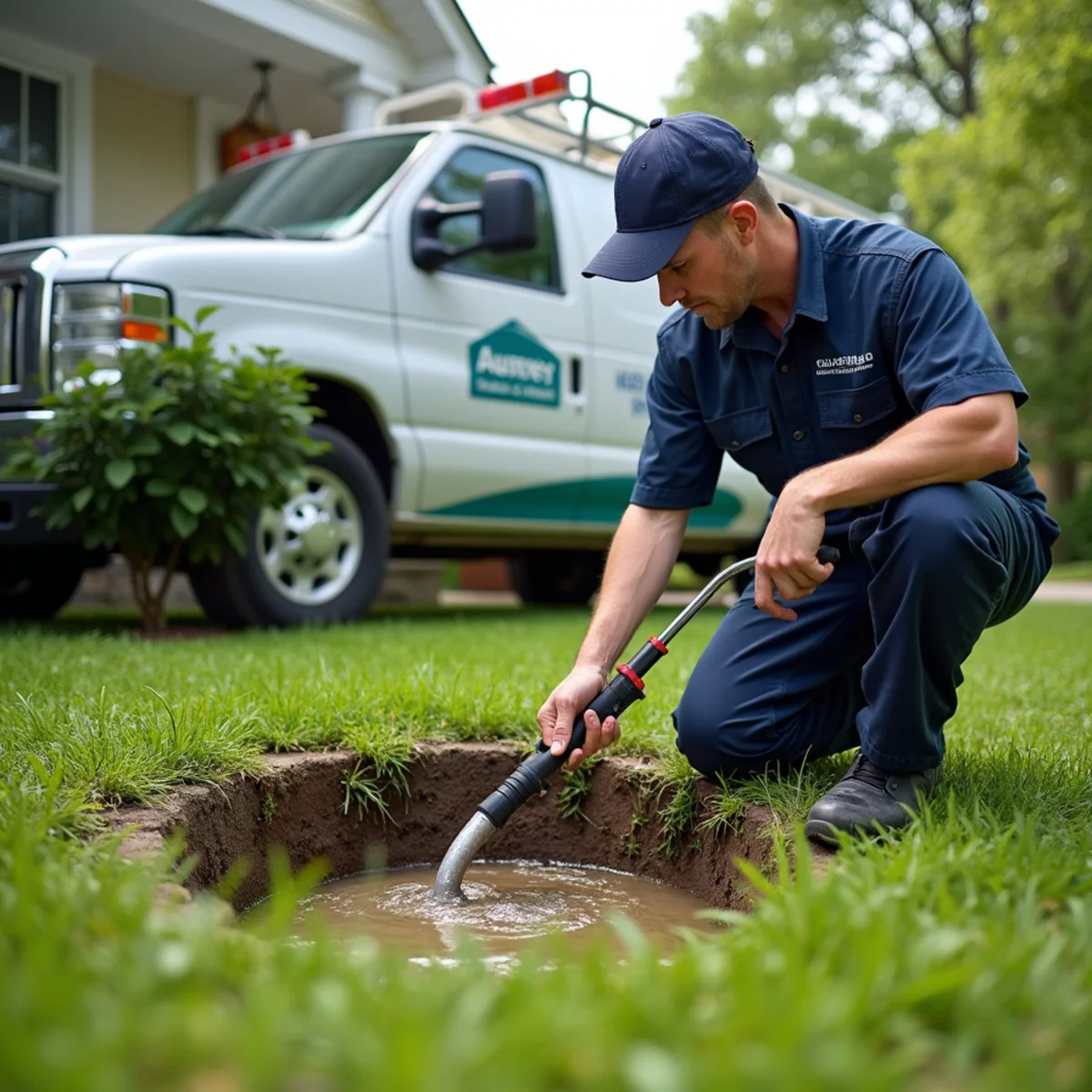
A failing cesspool warns you before it backs up: whole-house slow drains, sewage odors in the yard, and soggy or unusually green grass over the system. Caught early, the fix is often pumping or a repair; ignored, it becomes a full replacement plus cleanup. Don’t wait for sewage indoors.
Key takeaways
- Whole-house slow drains at once point to the system, not one fixture.
- Sewage odors in the yard and soggy, green grass are early warnings.
- Caught early, the fix is often pumping or a repair.
- Standing effluent is a health hazard — keep people and pets away.
- Regular pumping and an early assessment keep problems small.
Slow drains all over the house
One slow drain is usually a local clog. When drains all over the house slow down at once — sinks, tubs, and toilets together — the problem is likely downstream in the cesspool or septic system, not in any single fixture. This is often the very first sign, and the easiest one to dismiss.
Odors outdoors
A sewage or sulfur smell in the yard, especially near the cesspool or drainfield, means the system is not processing waste the way it should. Indoors you might notice it near the lowest drains. Odor is the system telling you it is at or beyond capacity.
Soggy or unusually green grass
A patch of lawn over the system that stays wet, spongy, or noticeably greener and lusher than the rest is a classic sign. It means liquid is surfacing instead of draining down — the system is saturated. That standing effluent is a health hazard, so keep children and pets away from it.
Gurgling and backups
Gurgling from drains or toilets when you run water, and backups in the lowest fixtures, mean the problem has progressed. At this stage you are close to — or already having — sewage backing up indoors, which is the worst-case outcome and the most expensive to deal with.
Why catching it early matters
Here is the practical point for Suffolk County homeowners: caught at the "slow drains and faint odor" stage, a failing cesspool can often be addressed with pumping or a repair. Ignored until it backs up, you are usually looking at a full replacement plus cleanup — and possibly a replacement that must meet current County requirements. Regular pumping on a schedule for your household is the cheapest way to avoid the whole situation.
How we confirm a cesspool is failing
Slow drains and odors have several possible causes, so we confirm before recommending anything drastic. Catching a system at the early-warning stage is the difference between a pump-out and a replacement.
The signs we take seriously, roughly in order of urgency:
- Every drain in the house slowing at once, not just one fixture
- A sewage or sulfur smell in the yard near the system
- Wet, spongy, or unusually green grass over the cesspool or drainfield
- Gurgling drains and backups in the lowest fixtures
- No record of pumping in several years
Catching failure at the cheapest stage
A cesspool rarely fails without warning, and the stage you catch it at largely determines the cost. At the earliest stage — whole-house slow drains and a faint odor — the fix is often a pump-out or a straightforward repair. Left alone, it progresses to soggy ground and gurgling drains, then to sewage backing up indoors and standing effluent outdoors, which is both a health hazard and a far more expensive problem.
Weather can muddy the picture. A high water table after heavy Long Island rain temporarily slows how fast a cesspool drains, so a one-time slow drain after a storm isn’t necessarily failure. Persistent symptoms, though — especially odors and surfacing liquid — mean the system is at or past capacity.
The practical takeaway for Suffolk County homeowners: don’t wait for the dramatic sign. Regular pumping and an assessment at the first hint of trouble are what keep a cesspool problem small.
What we check during an assessment
When you call about a possible failing cesspool, the assessment is about confirming the cause before recommending anything drastic. Catching it early often means a repair or pump-out instead of a replacement.
A thorough assessment looks at:
- Liquid levels and how the system is draining
- Signs of solids overload or a structural problem
- The condition of the tank or pool and its inlet and outlet
- Drainage and any surfacing effluent in the yard
- Pumping history and household usage patterns
The bottom line
Slow drains, yard odors, and soggy grass are your warning — act on them. Caught early, a failing cesspool is often a pump-out or repair; ignored, it’s a replacement and a mess. If you’re seeing the signs, call (831) 290-4327 and we’ll assess it before it backs up.
What an assessment actually reveals
When you call about a possible failing cesspool, our cesspool and septic service confirms the cause before recommending anything drastic — checking liquid levels, signs of solids overload or structural problems, the inlet and outlet, and any surfacing effluent in the yard.
Catching a system at the early-warning stage often means a pump-out or a repair instead of a replacement. We assess and service systems across Ronkonkoma and Selden, where 1970s subdivisions put many cesspools near capacity at once.
Frequently Asked Questions
How We Can Help
Related services: cesspool & septic services, drain cleaning across Long Island.
We serve Ronkonkoma and Selden and the surrounding communities.
(831) 290-4327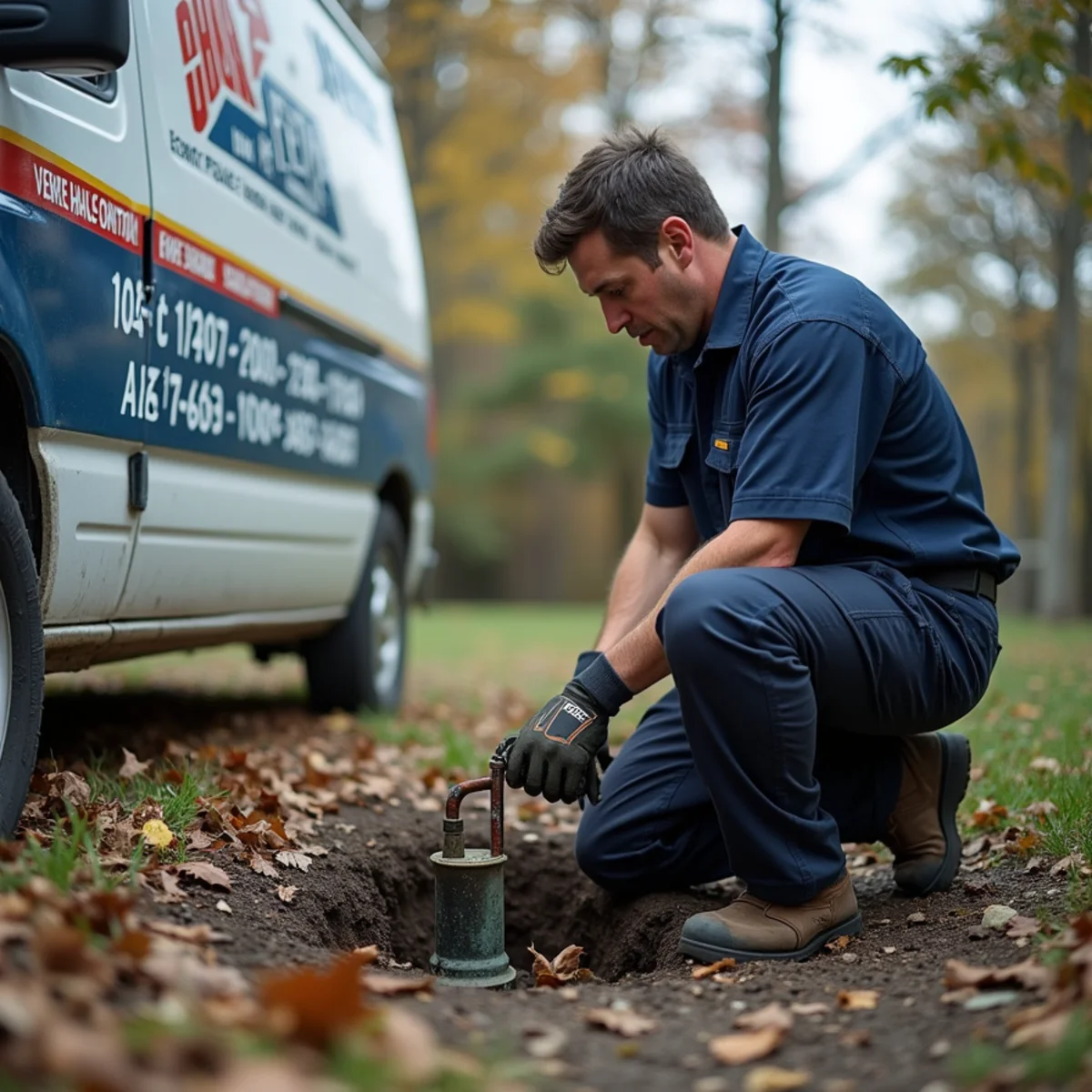

Need a plumber now? We’re ready to help.
Emergency or planned, call for fast local service across Long Island — or request a free written quote.