
Cesspool Replacement Cost in Suffolk County, Explained
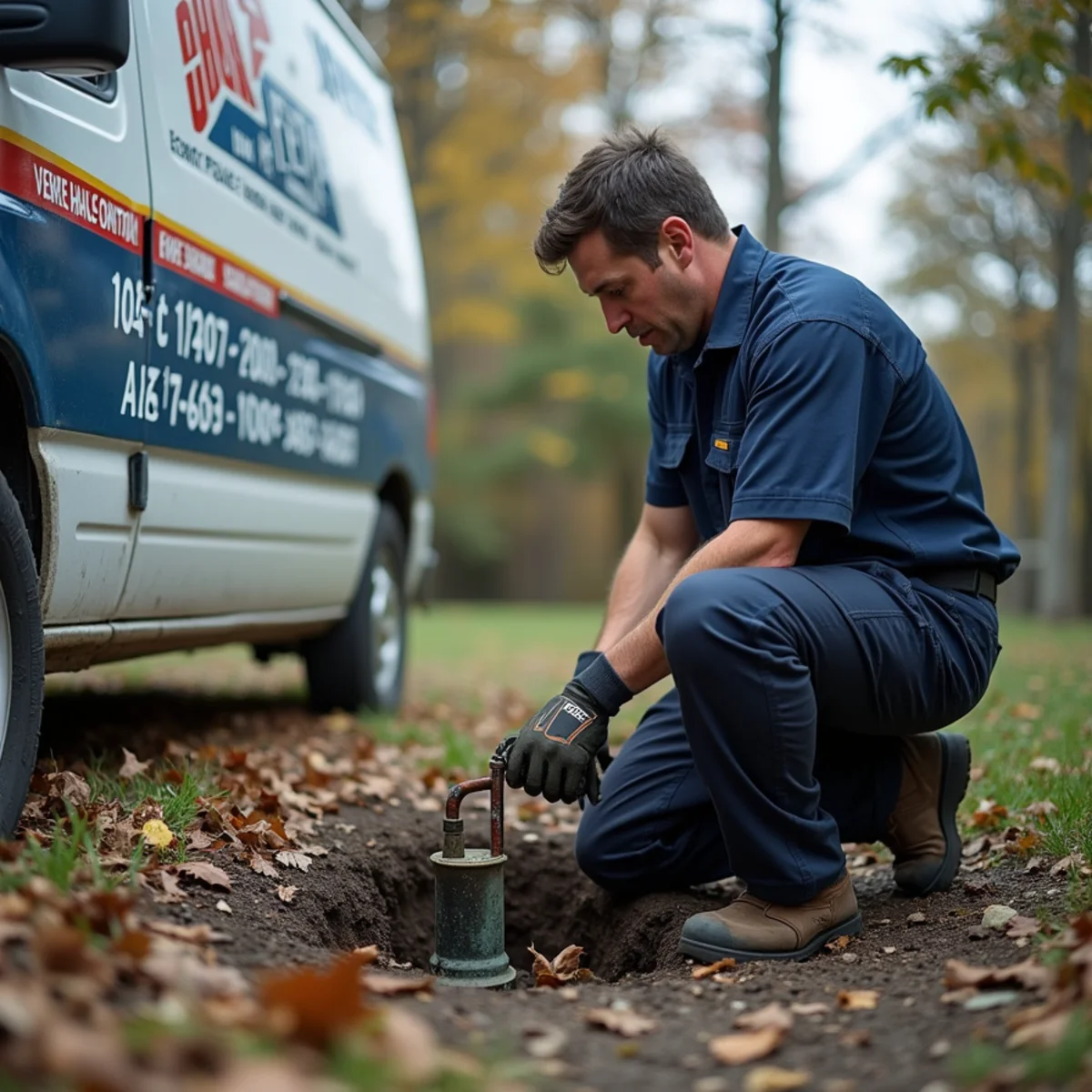
Cesspool and septic costs in Suffolk County range widely: routine pumping is a modest, predictable expense, while a full replacement — especially one meeting the County’s nitrogen-reducing requirements — is a larger project. The cheapest thing you can do is pump on a sensible schedule so a repair never becomes a replacement.
Key takeaways
- Most of Suffolk County runs on cesspools and septic, not municipal sewer.
- Routine pumping is cheap; a full replacement is a much larger project.
- Nitrogen-reducing (I/A) systems are required in many situations, with grants available.
- Catching failure early often means a repair instead of a replacement.
- Regular pumping is the single best way to extend a system's life.
Why so much of Suffolk runs on cesspools
Much of Suffolk County — including large parts of Huntington, Smithtown, and the towns to the east — never connected to municipal sewer. Instead, homes rely on cesspools and septic systems. If that is your home, the health of that system is not optional; it is what keeps sewage out of your yard and your basement.
What drives the cost
Cesspool and septic work spans a wide range because the jobs are so different. Routine pumping is a modest, predictable cost. Diagnosing and repairing a struggling system costs more. A full replacement — especially one that must meet current Suffolk County requirements, including newer nitrogen-reducing systems in some areas — is a larger project.
The specific factors that move the price:
- System type, size, and capacity
- Whether the work is pumping, repair, or full replacement
- Accessibility and depth of the system
- The nature of the failure — solids overload, structural, or drainage
- Suffolk County permit and code requirements, including nitrogen-reducing systems where applicable
Pumping is the cheapest insurance you can buy
The single most cost-effective thing you can do for a cesspool or septic system is have it pumped on a sensible schedule for your household size. Regular pumping removes the solids that otherwise clog the system and cause backups. A modest, predictable pumping cost every few years heads off a large, disruptive replacement and the mess of a backup.
Catch failure early
A failing cesspool rarely fails without warning. Slow drains throughout the house, sewage odors in the yard, and soggy or unusually green grass over the system are the early signs. Caught at that stage, the fix is often a repair or pumping rather than a full replacement. Ignored, it progresses to backups indoors and standing sewage outdoors — a health hazard and a far more expensive fix.
Where the money actually goes
Suffolk County’s costs swing on one question: is this maintenance or a replacement? Regular pumping is predictable and cheap relative to what a failed system costs — which is why we push a sensible schedule so it never gets that far.
The main factors:
- Whether the job is pumping, a repair, or a full replacement
- System type, size, and how accessible it is
- The nature of the failure — solids overload, structural, or drainage
- County requirements, including nitrogen-reducing (I/A) systems where they apply
- Available grant programs that can offset a qualifying replacement
Why so much of Suffolk County runs on cesspools
Large parts of Suffolk County — including much of Huntington, Smithtown, and the towns to the east — never connected to municipal sewer, so homes rely on cesspools and septic systems. If that’s your home, the system’s health isn’t optional maintenance; it’s what keeps sewage out of your yard and basement.
The County has moved aggressively toward nitrogen-reducing (I/A) systems to protect groundwater and surface waters, and grant programs have been available to offset the cost of a qualifying replacement. What applies to your property depends on the situation, which is why we explain the current requirements in plain English before any replacement work begins.
The single most cost-effective thing you can do is pump on a sensible schedule for your household size. Regular pumping removes the solids that clog a system and cause backups — a small, predictable cost that heads off a large, disruptive one and can turn a looming replacement into a simple repair.
How to make your system last
The difference between a cesspool that runs for decades and one that fails early usually comes down to how it’s treated. A few habits protect the investment and push back the day you need a major repair.
What we recommend for Suffolk County homeowners:
- Pump on a sensible schedule for your household size
- Spread out heavy water use rather than overwhelming the system at once
- Keep grease, wipes, and non-flushables out of the drains
- Direct downspouts and surface water away from the drainfield
- Have the system assessed at the first sign of slow drains or odor
The bottom line
The cheapest cesspool is the one you maintain. Regular pumping heads off the backups and replacements that cost the most, and catching failure early often means a repair instead of a new system. Call us to service or assess your system before it forces the decision for you.
Nitrogen-reducing systems, grants, and what applies to you
Suffolk County has pushed hard toward nitrogen-reducing (I/A) septic systems to protect groundwater, and grant programs have been available to offset the cost of a qualifying replacement. What applies depends on your property and the work, which is why our cesspool and septic service starts by confirming the system's condition before anything drastic is recommended.
For most homeowners, though, the story is maintenance, not replacement: regular pumping heads off the backups that cost the most. We service cesspools and septic systems across cesspool-heavy areas like Smithtown and Ronkonkoma.
Frequently Asked Questions
How We Can Help
Related services: cesspool & septic services across Long Island.
We serve Smithtown and Ronkonkoma and the surrounding communities.
(831) 290-4327
Need a plumber now? We’re ready to help.
Emergency or planned, call for fast local service across Long Island — or request a free written quote.