
Hard Water on Long Island: What It Does to Your Pipes
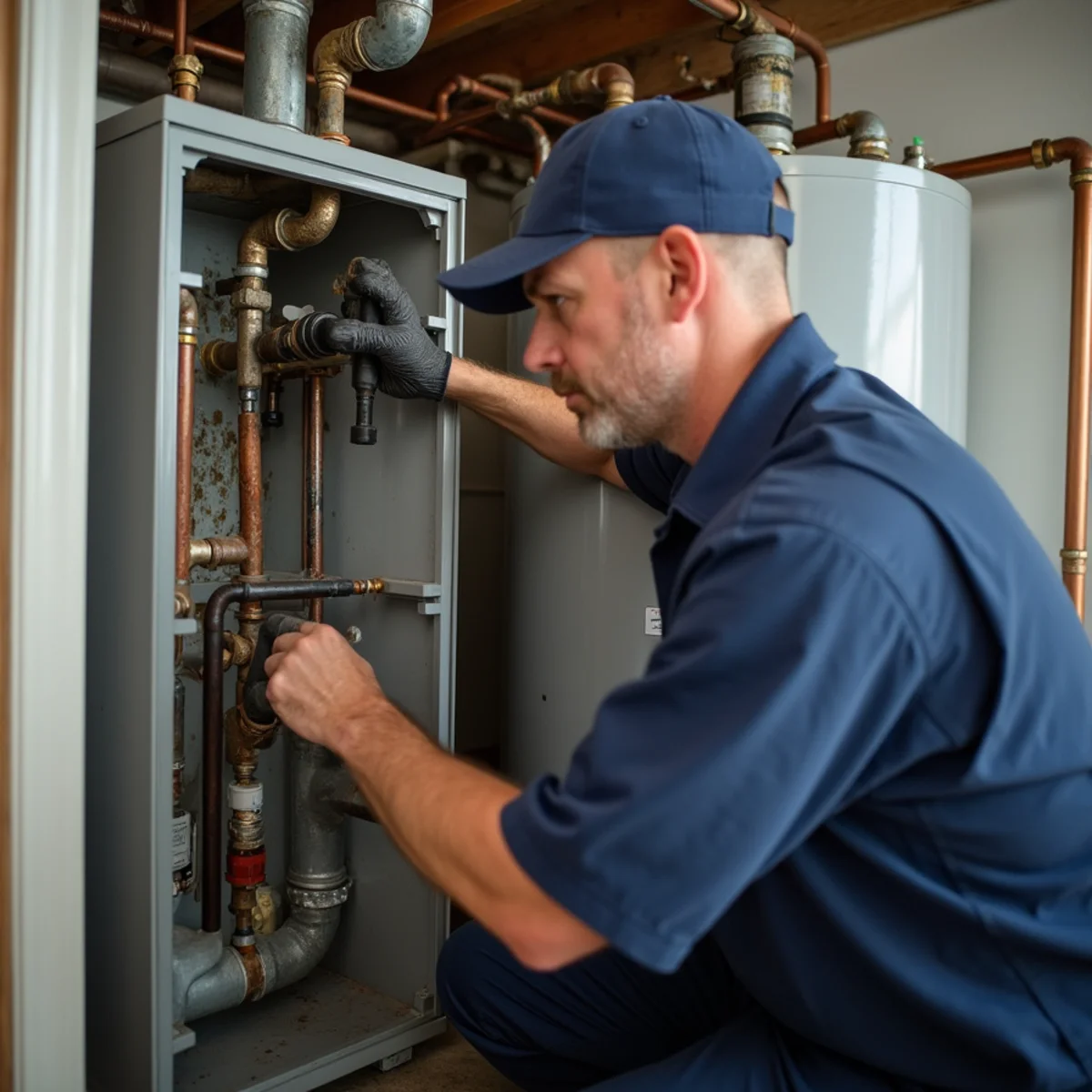
Long Island’s moderately hard water leaves scale inside your pipes, water heater, and fixtures. It’s not a health hazard, but it makes your water heater work harder, shortens its life, and clogs aerators and valves. Annual water-heater flushing and, where it makes sense, a softener are the practical defenses.
Key takeaways
- Long Island water is moderately hard and leaves scale.
- Scale makes your water heater work harder and shortens its life.
- Annual water-heater flushing is the highest-return habit.
- Clogged aerators and spotting are everyday signs.
- A whole-home softener protects the water heater, fixtures, and appliances.
What "hard water" actually means
Hard water is simply water with a high mineral content — mostly calcium and magnesium. It is not a health hazard, but it is hard on your plumbing. As hard water moves through your pipes and sits in your water heater, those minerals precipitate out and form scale, a chalky buildup that accumulates over time. Much of Long Island has moderately hard water, so this affects a lot of homes here.
The toll it takes on your water heater
Your water heater bears the brunt of it. Scale settles at the bottom of a tank and coats the heating element or the base above the burner, forcing the unit to work harder and longer to heat the same water. That is the rumbling and popping you hear from an older tank — it is sediment. Over time, scale shortens the water heater’s life and drives up energy use. This is exactly why annual flushing matters so much on Long Island.
Fixtures, faucets, and flow
You see hard water’s effects at your fixtures: crusty buildup on faucets and showerheads, spotting on glass and tile, reduced flow as aerators clog, and valves that stiffen. In extreme cases scale narrows the pipes themselves. None of it is catastrophic on its own, but it adds up to more maintenance and shorter component life.
How to manage it
The two practical defenses are maintenance and treatment. Flushing your water heater annually clears the sediment before it can insulate the burner and eat into the tank’s life. A whole-home water softener or conditioner reduces the mineral content before it reaches your plumbing, protecting the water heater, fixtures, and appliances throughout the house. We can advise on whether treatment makes sense for your home and water.
Small habit, big payoff
If you do nothing else, put an annual water-heater flush on the calendar. It is inexpensive, it directly counters the biggest cost of hard water, and it can add years to the life of the single most scale-vulnerable appliance in your home. In Huntington, Dix Hills, and across Long Island, it is one of the highest-return maintenance habits there is.
Getting ahead of scale
Scale builds quietly and shows up as higher energy use, shorter appliance life, and clogged fixtures. The single highest-return habit is an annual water-heater flush — it directly counters the biggest cost of hard water.
Practical defenses:
- Flush the water heater once a year to clear sediment
- Check the anode rod every few years to protect the tank
- Clean or replace clogged faucet aerators and showerheads
- Consider a whole-home softener if scale is aggressive
- Watch for the rumbling that means sediment is insulating the burner
What scale does to your water heater
Your water heater bears the brunt of hard water. As mineral-laden water sits and heats, scale precipitates out and settles at the bottom of a tank or coats the heating element and the base above the burner. That layer of scale insulates the burner, forcing the unit to work harder and longer to heat the same water — the rumbling and popping you hear from an older tank is exactly that sediment.
Over time, scale drives up energy use and shortens the water heater’s life, and it does the same to a tankless heat exchanger that isn’t periodically flushed. Fixtures show it too: crusty buildup on faucets and showerheads, spotting on glass and tile, and aerators that clog and cut your flow.
None of it is catastrophic on its own, but it adds up to more maintenance and shorter component life across the whole house — which is why an annual flush and, in aggressive cases, a whole-home softener pay for themselves.
Signs hard water is affecting your home
Hard water works quietly, but the signs are easy to spot once you know them. Noticing them early lets you act before scale shortens the life of your water heater and fixtures.
Watch for these around the house:
- Chalky white buildup on faucets, showerheads, and fixtures
- Spotting on glassware and film on tile and glass
- Reduced flow from clogged aerators
- Rumbling or popping from a sediment-filled water heater
- Soap and detergent that don’t lather well
The bottom line
Hard water is a slow, quiet cost. If you do one thing, put an annual water-heater flush on the calendar — it’s inexpensive and adds real life to your most scale-vulnerable appliance. Ask us whether a softener makes sense for your home and water.
Protecting your water heater from scale
Your water heater bears the brunt of hard water, so the highest-return habit is an annual flush during water heater service. It clears the sediment that insulates the burner, drives up energy use, and shortens the tank's life.
Scale also clogs the aerators and valves we service during faucet and fixture work. A whole-home softener protects everything downstream. Hard-water effects show up across Long Island, including larger homes in Dix Hills and Huntington.
Frequently Asked Questions
How We Can Help
Related services: water heater installation & repair, faucet & fixture installation across Long Island.
We serve Huntington and Dix Hills and the surrounding communities.
(831) 290-4327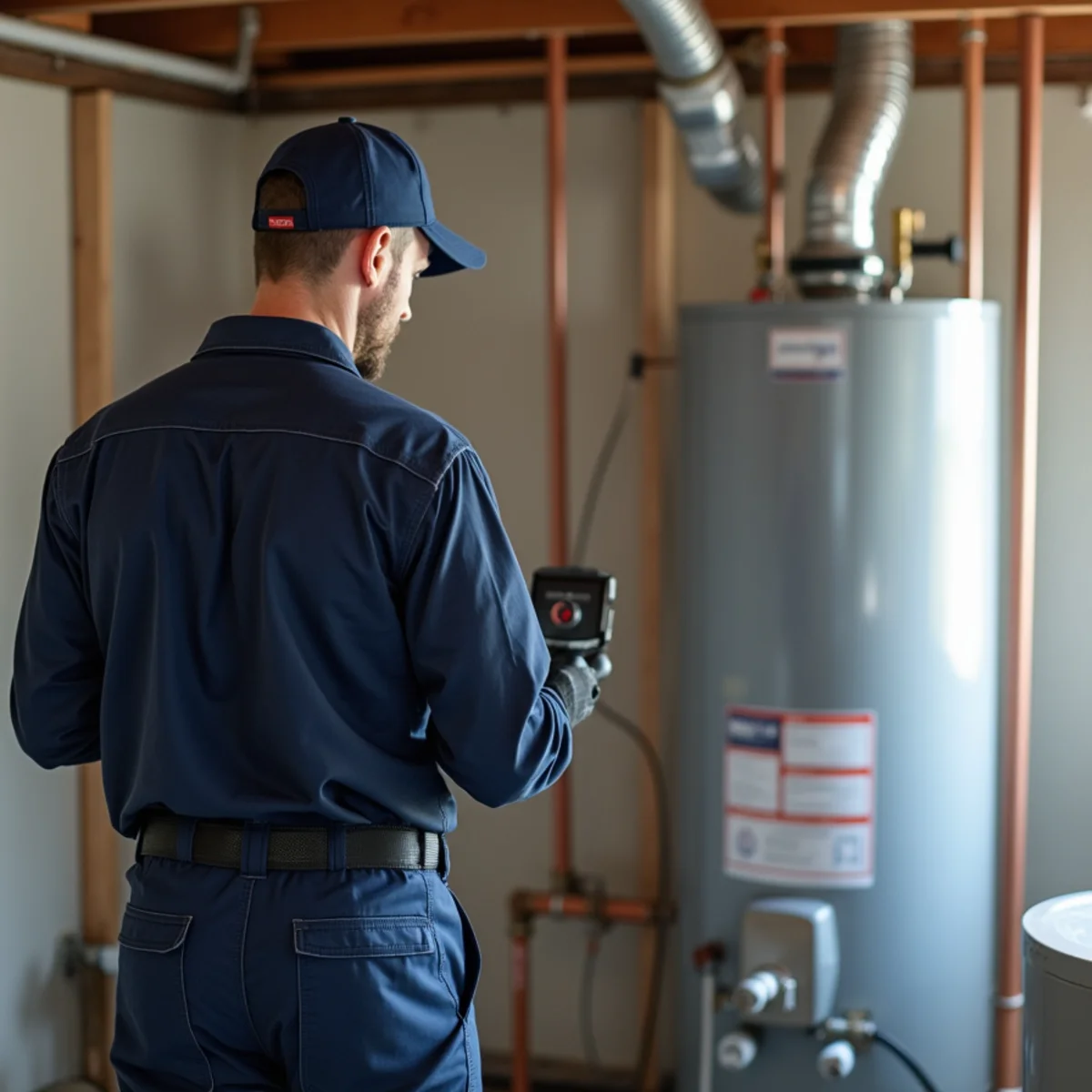
Need a plumber now? We’re ready to help.
Emergency or planned, call for fast local service across Long Island — or request a free written quote.