
Fall Plumbing & Heating Checklist for LI Homeowners
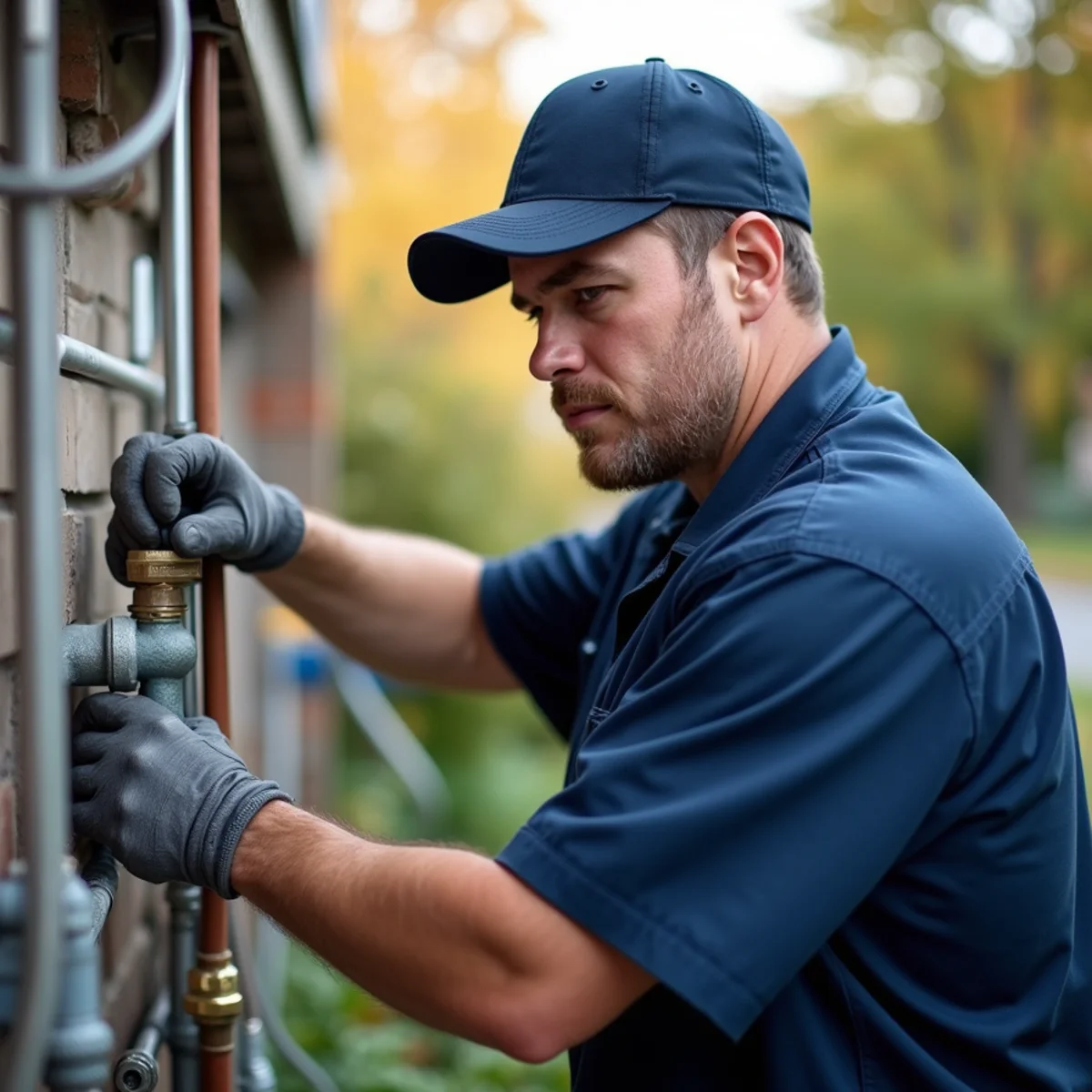
The best fall plumbing move on Long Island is to service your heating system before the first freeze, protect freeze-prone pipes, flush the water heater, test the sump pump and its backup, and make sure everyone knows the main shutoff. A little preparation prevents the worst emergencies of winter.
Key takeaways
- Service the heating system before the first freeze.
- Insulate exposed pipes and disconnect outdoor hoses.
- Flush the water heater for the high-demand months.
- Test the sump pump and its backup battery.
- Make sure everyone knows the main shutoff.
Service the heating system before you need it
The worst time to discover your boiler or furnace has a problem is the first freezing night you turn it on. Have your heating system checked in the fall — while a repair is a scheduled visit, not a no-heat emergency. A fall service also catches small issues before they become winter breakdowns and keeps the system running efficiently through the season.
Protect vulnerable pipes
Walk your home and find the pipes most likely to freeze: exposed runs in exterior walls, unheated garages, crawlspaces, attics, and along the basement rim. Insulate them, seal drafts near them, and make sure they will stay above freezing. Also disconnect and drain outdoor hoses and shut off exterior faucets — a hose left connected is a classic cause of a burst pipe at the wall.
Flush the water heater
Fall is a good time to flush your water heater and clear the season’s sediment, especially with Long Island’s hard water. It helps the unit heat efficiently through the high-demand winter months and extends its life. While you are at it, confirm you know where the water heater’s shutoff is.
Check the sump pump
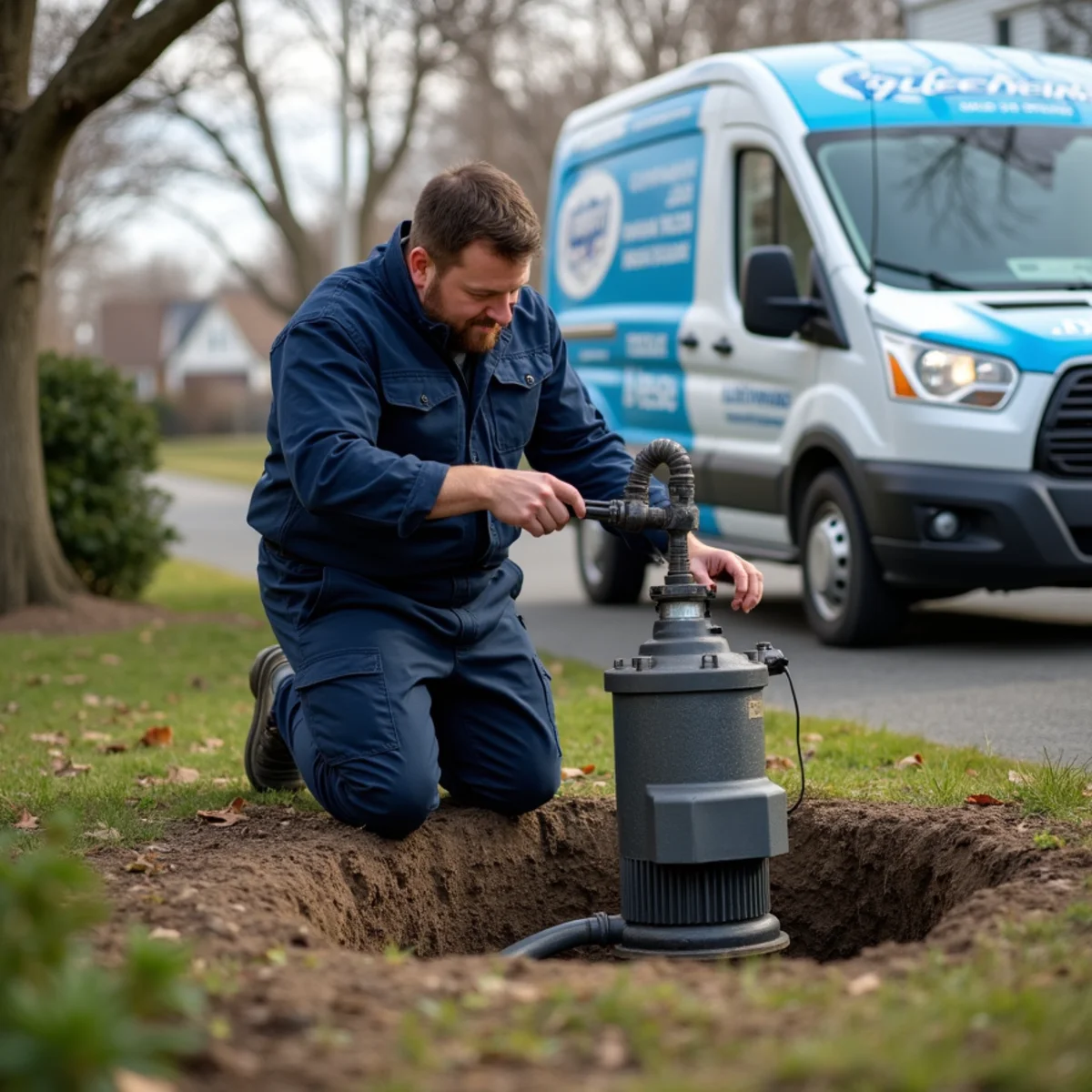
Winter and early spring bring the storms and thaws that test your sump pump. Before the season, pour water into the pit to confirm the pump kicks on and drains properly, check the discharge line is clear and directed away from the foundation, and — critically — make sure the battery backup works. A backup that fails during a winter storm outage is the same as no pump at all.
Know your shutoffs
Finally, make sure everyone in the household knows where the main water shutoff is and how to use it. In an emergency — a burst pipe, a failed water heater — the ability to stop the water in seconds is worth more than anything else on this list. If you are not sure where yours is, ask us to point it out and label it during any visit.
The fall checklist we run for clients
Fall is the cheap insurance season: a small amount of preparation prevents the burst pipes and no-heat nights that define Long Island winters. The theme is simple — handle it now, on your schedule, not during a storm.
Work through these before the first freeze:
- Service the boiler or furnace while a repair is a scheduled visit
- Insulate exposed pipes and disconnect outdoor hoses
- Flush the water heater for the high-demand months ahead
- Test the sump pump and replace a tired backup battery
- Confirm everyone knows where the main shutoff is
Why fall is the cheap-insurance season
The worst time to discover a heating problem is the first freezing night you turn the system on. A fall service means any needed repair is a scheduled visit — not a no-heat emergency during a cold snap when demand is highest and pipes are at risk.
The same logic runs through the whole checklist. Insulating an exposed pipe in October costs a few dollars; a burst pipe in January costs far more than the repair once you add the water damage. Flushing the water heater before the high-demand months keeps it efficient and extends its life against Long Island’s hard water.
And the single highest-value item costs nothing: make sure everyone in the household knows where the main water shutoff is and how to use it. In an emergency, the ability to stop the water in seconds is worth more than anything else on the list.
Outdoor and seasonal tasks
Beyond the heating system and the water heater, a handful of outdoor and seasonal tasks round out the fall checklist and head off the most common cold-weather emergencies.
Don’t skip these before winter sets in:
- Disconnect and drain outdoor hoses; shut off exterior faucets
- Insulate hose bibs and any exposed exterior piping
- Clear gutters so meltwater drains away from the foundation
- Test the sump pump and its battery backup
- Locate and label the main shutoff for everyone in the household
The bottom line
An afternoon of fall prep prevents the emergencies that ruin a winter. Service the heat, protect the pipes, and know your shutoff. Want a professional once-over before the cold? Call (831) 290-4327 and we’ll get your plumbing and heating winter-ready.
The heating and water-heater tune-up that prevents winter calls
Two fall services prevent most winter emergencies: a heating check so any boiler or heating repair is a scheduled visit rather than a no-heat night, and a water heater flush and inspection before the high-demand months.
Add freeze protection for exposed pipes and a sump-pump test, and you've covered the big three. We run this checklist for homeowners across Huntington and Smithtown every fall.
Frequently Asked Questions
How We Can Help
Related services: boiler & heating repair, water heater installation & repair across Long Island.
We serve Huntington and Smithtown and the surrounding communities.
(831) 290-4327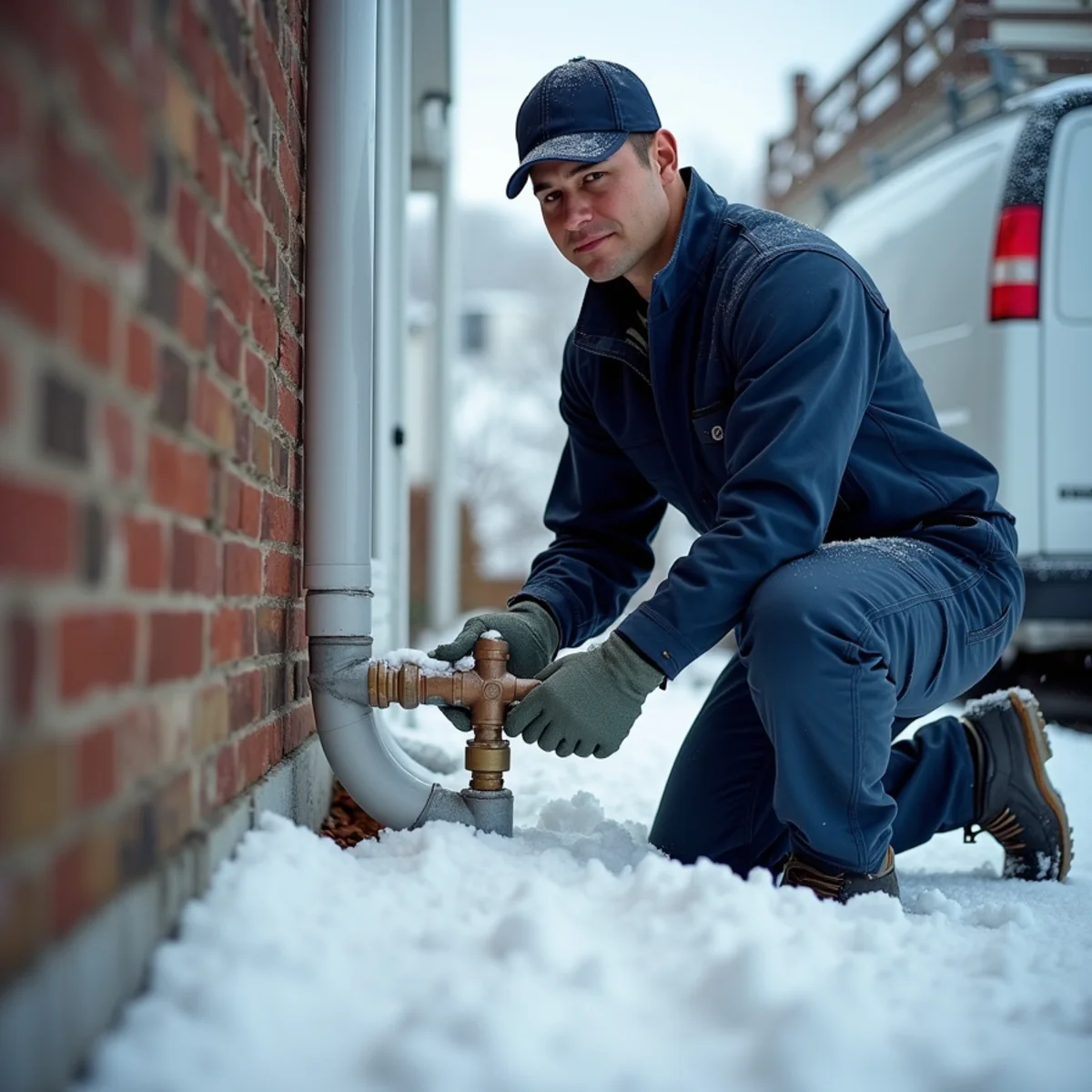
Need a plumber now? We’re ready to help.
Emergency or planned, call for fast local service across Long Island — or request a free written quote.