
Winterizing Your Hamptons Second Home's Plumbing
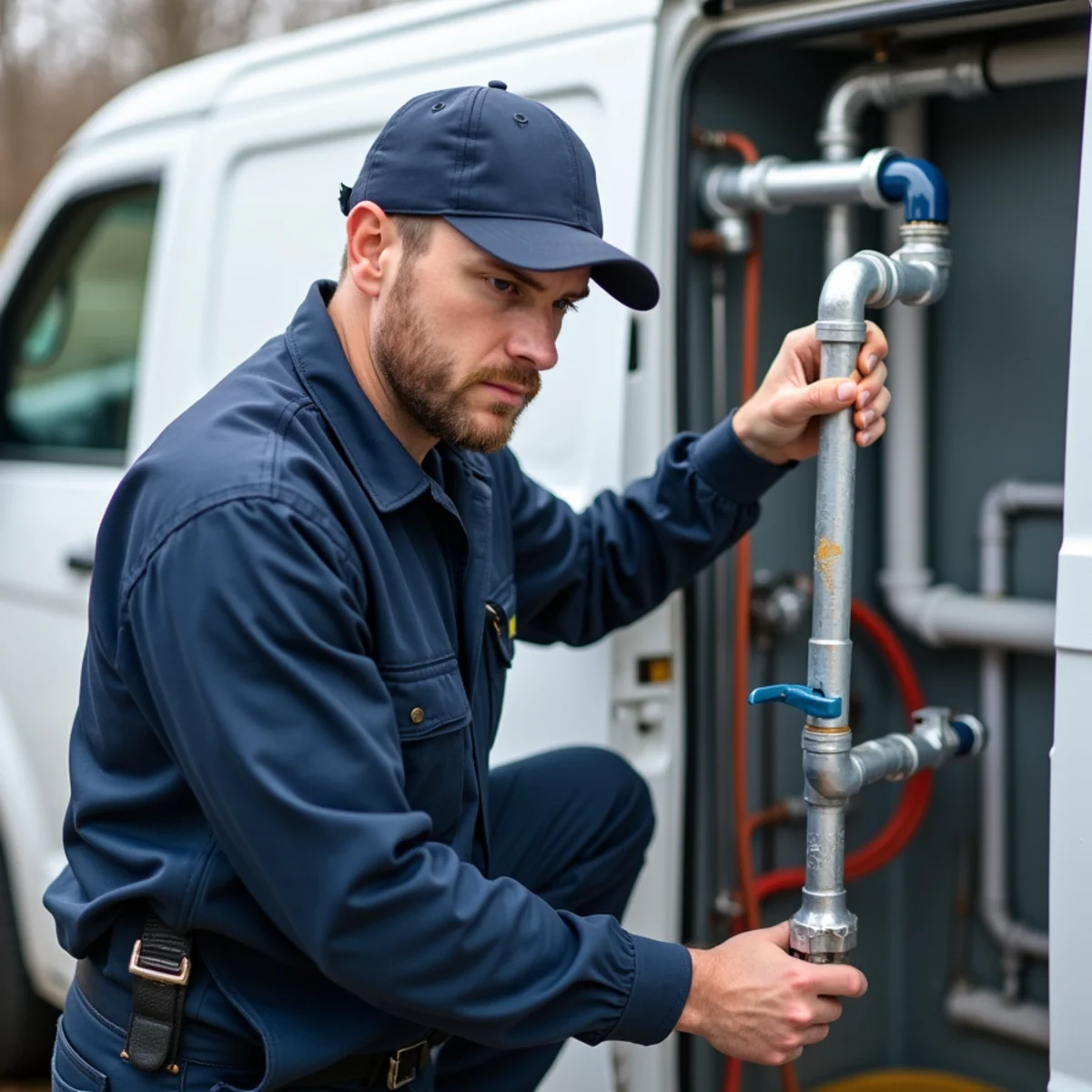
A Hamptons second home that sits empty through winter is uniquely at risk: if the heat fails during a freeze, pipes can burst and flow for weeks unnoticed. Proper winterizing — shutting off and draining the system, and adding antifreeze to traps — removes the water that would otherwise freeze.
Key takeaways
- An empty house plus a heat failure equals burst pipes.
- Draining the system removes the water that would freeze.
- Keeping heat on only works if it never fails.
- The spring re-opening matters as much as the shutdown.
- One missed line can undo the whole winterization.
The risk of an empty house in winter
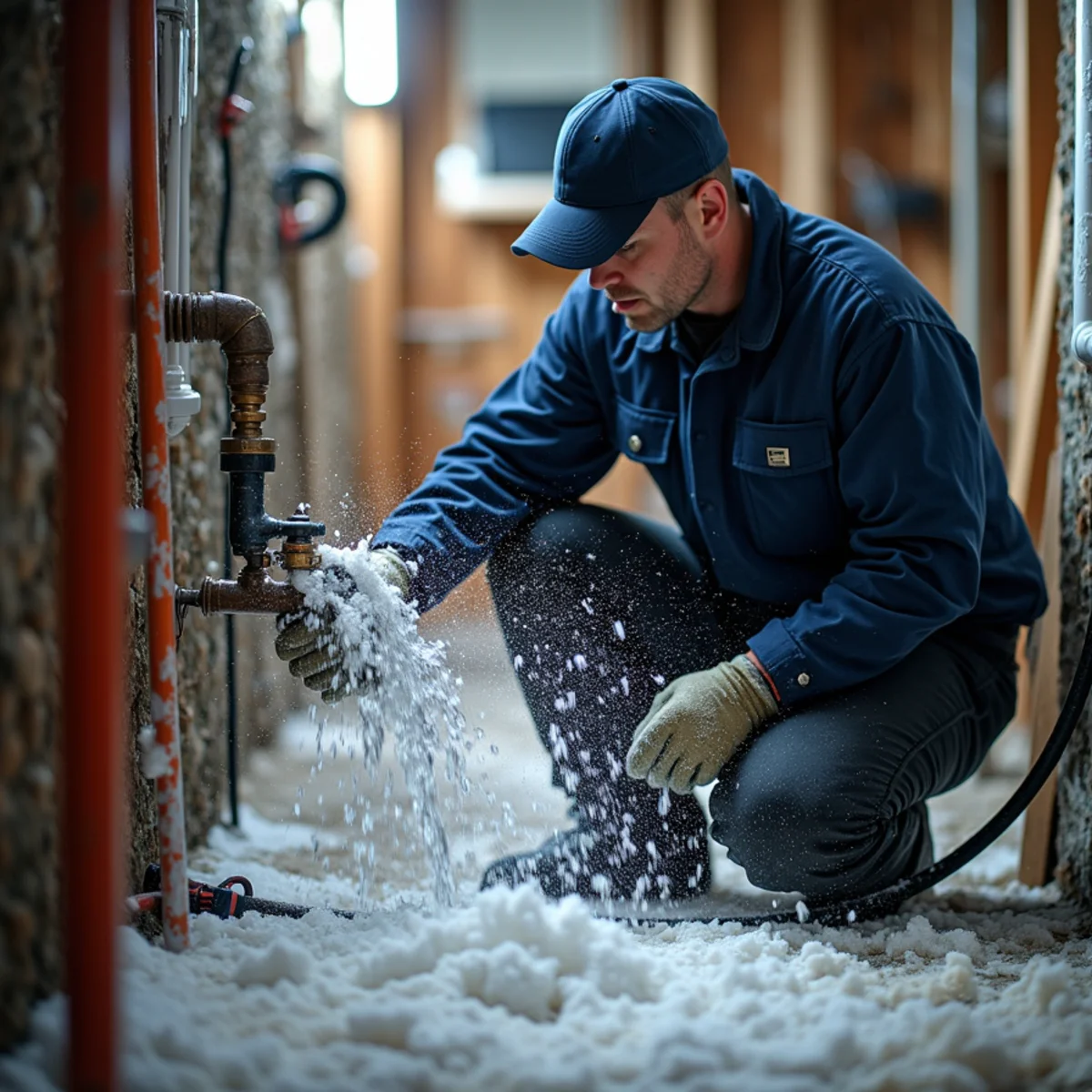
A second home that sits empty through the winter is uniquely vulnerable. If the heat fails or a cold snap hits and no one is there to notice, pipes can freeze, burst, and flow for days or weeks before anyone discovers it. In Southampton, East Hampton, and across the east end, a winterized plumbing system is the difference between coming back to a home and coming back to a restoration project.
What proper winterizing involves
Winterizing is more than turning down the thermostat. It typically means shutting off the water supply, draining the system — supply lines, water heater, and fixtures — and adding non-toxic antifreeze to traps and toilets so any remaining water cannot freeze and crack the porcelain or the trap. Done thoroughly, there is simply no water left in the system to freeze.
If you keep the heat on instead
Some owners keep a second home minimally heated rather than fully draining it. That can work, but it depends on the heat never failing — and a boiler or furnace that quits during a January freeze while the house is empty is exactly the scenario that causes burst pipes. If you go this route, a low-temperature alarm and someone checking on the property are essential, and vulnerable runs should still be protected.
The pre-season leak check
Just as important as winterizing is the check before you re-open in spring. A home that sat vacant for months should be brought back online carefully — turning the water on slowly and inspecting for leaks that may have developed while no one was watching. Catching a problem during a controlled re-opening beats discovering it after the water has been running behind a wall for a week.
Let a plumber handle it
Winterizing and re-opening a home correctly is detailed work, and a missed step — one undrained line, one unprotected trap — can undo the whole effort. For a valuable east-end second home, it is worth having a plumber winterize in the fall and re-open in the spring. We handle both across Southampton, East Hampton, and the east end.
How we winterize — and re-open — a second home
Winterizing is detailed work, and one missed line or unprotected trap can undo the whole effort. Just as important is a careful spring re-opening, because problems that developed over the winter show up the moment the water goes back on.
What a proper winterization covers:
- Shutting off the water supply at the main
- Draining supply lines, the water heater, and every fixture
- Adding non-toxic antifreeze to traps and toilets
- Protecting any runs that can’t be fully drained
- A slow, inspected spring re-opening rather than just turning it on
The spring re-opening matters as much as the shutdown
Winterizing gets the attention, but the spring re-opening is where problems surface. A home that sat empty for months should be brought back online carefully — turning the water on slowly and inspecting for leaks that may have developed while no one was watching — rather than just flipping the main and walking away.
Catching a problem during a controlled re-opening beats discovering it after water has been running behind a wall for a week. That’s the whole logic of professional winterization on the east end: it removes the water that would freeze, and it builds in a checkpoint before the season starts.
For a valuable Southampton or East Hampton second home, having a plumber winterize in the fall and re-open in the spring is inexpensive insurance against a five-figure freeze. One missed line or unprotected trap can undo the entire effort, so it pays to have it done thoroughly.
A second-home winterization checklist
Whether you handle the basics yourself or have us do the full job, a thorough winterization follows the same logic: remove the water that could freeze, and protect what can’t be drained.
The essentials for an east-end second home:
- Shut off the water supply at the main
- Drain supply lines, the water heater, and every fixture
- Add non-toxic antifreeze to traps and toilets
- Protect any runs that can’t be fully drained
- Schedule a careful, inspected re-opening in spring
The bottom line
For a valuable east-end second home, professional winterizing and a careful spring re-opening are cheap insurance against a catastrophic freeze. Handle it before the first hard freeze — call us to winterize in the fall and bring the home back safely in spring.
Professional winterizing — and a careful spring re-open
A thorough winterization removes the water that could freeze: shutting off the supply, draining lines and the water heater, and adding antifreeze to traps. Where runs can't be drained, we protect them, and we schedule freeze protection and burst-pipe repair if a problem is found.
The spring re-opening matters just as much — turning the water on slowly and running leak detection to catch anything that developed over the winter. We winterize and re-open second homes across Southampton and East Hampton.
Frequently Asked Questions
How We Can Help
Related services: frozen & burst pipe repair, leak detection across Long Island.
We serve Southampton and East Hampton and the surrounding communities.
(831) 290-4327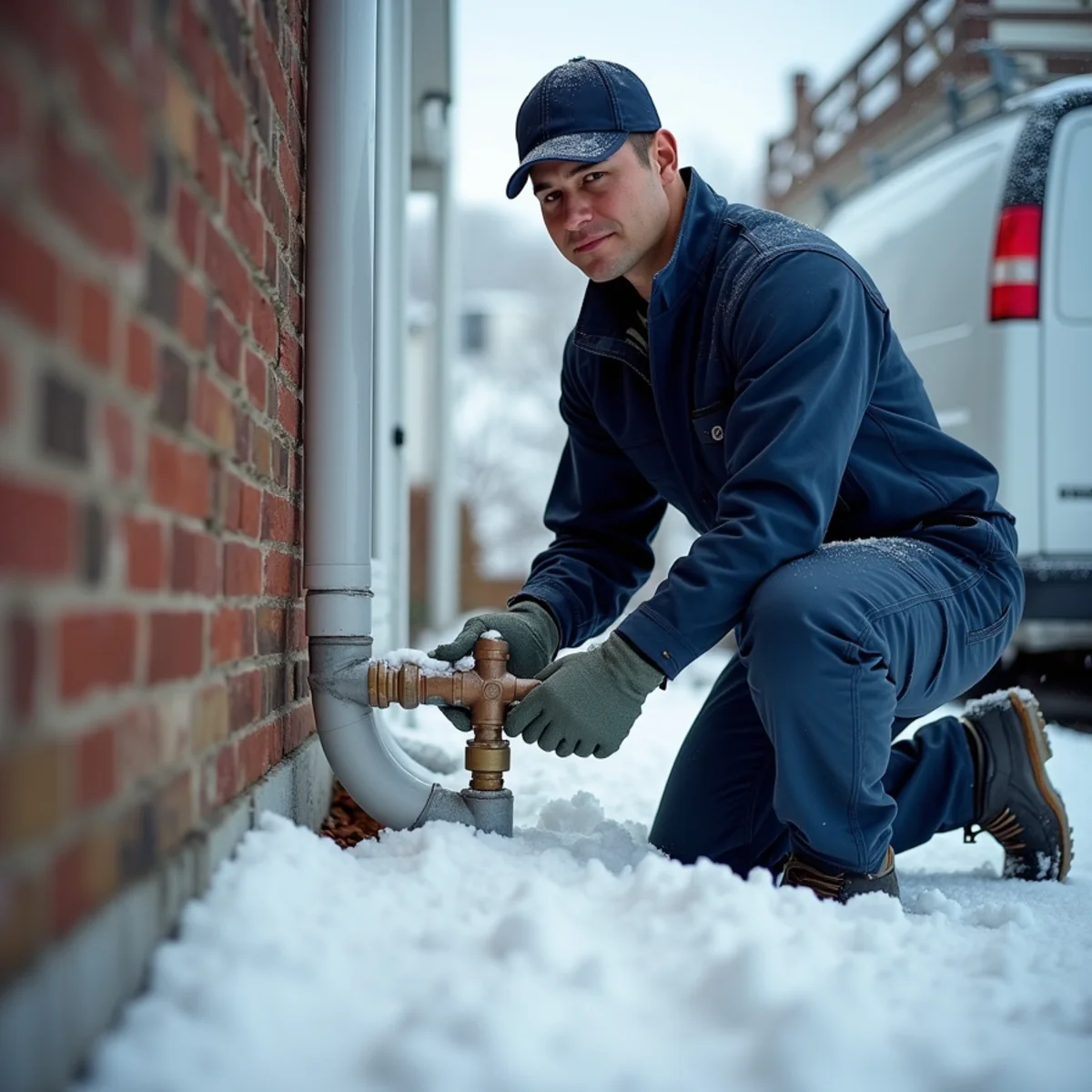
Need a plumber now? We’re ready to help.
Emergency or planned, call for fast local service across Long Island — or request a free written quote.